
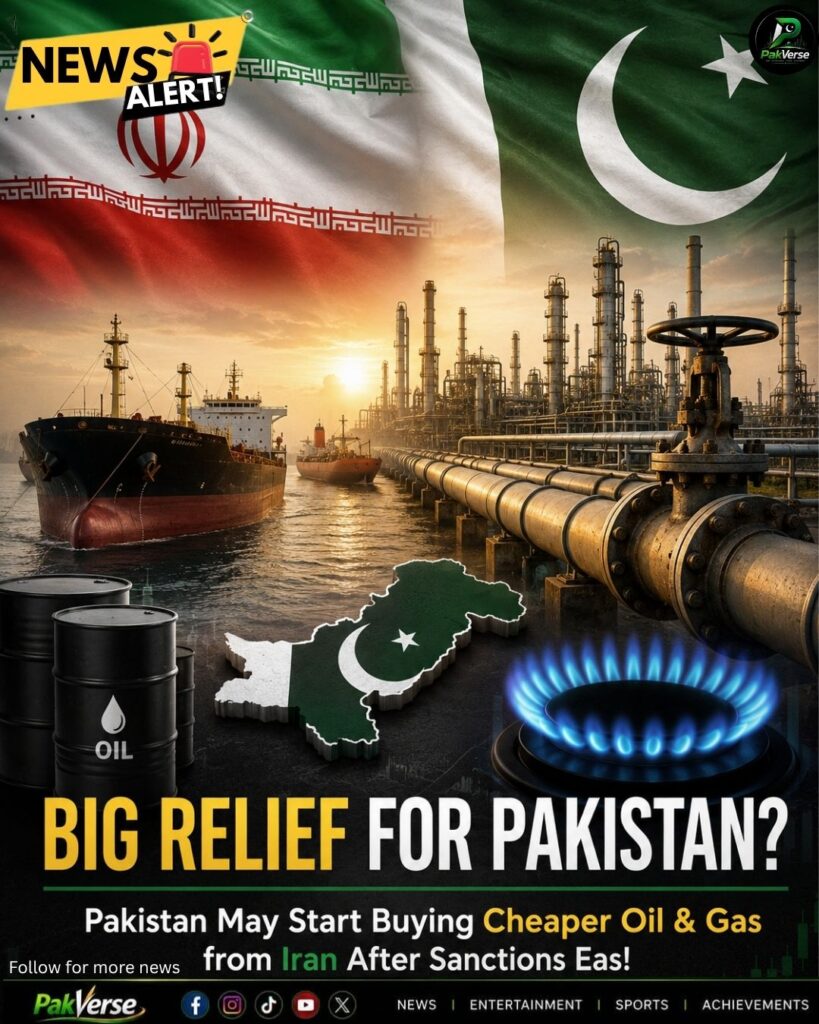
Pakistan May Import Cheaper Oil and Gas from Iran After Sanctions Ease
Pakistan may soon explore importing crude oil and natural gas from neighboring Iran as international sanctions on Tehran show signs of easing. Officials believe the move could help reduce Pakistan’s energy costs, strengthen fuel security, and provide relief to consumers facing high petrol and electricity prices.
The development comes at a time when global oil markets remain volatile and Pakistan continues to search for affordable energy sources to reduce its import bill.
A Potential Boost for Pakistan’s Energy Sector
Pakistan relies heavily on imported petroleum products to meet domestic energy demand. Rising fuel prices have placed pressure on inflation, transportation costs, and electricity generation.
If imports from Iran become possible through legal international channels, Pakistan could benefit from:
- Lower crude oil import costs
- Reduced pressure on foreign exchange reserves
- Improved energy security
- More stable fuel supplies
- Potential reductions in petrol and diesel prices
Officials have indicated that the government is closely monitoring international developments before making any formal decisions.
Why Iran Matters
Iran possesses some of the world’s largest oil and natural gas reserves and shares a long border with Pakistan. Due to geographical proximity, transporting energy from Iran can be more economical than importing from distant suppliers.
For years, sanctions limited Pakistan’s ability to purchase Iranian oil despite the country’s energy needs. Any easing of restrictions could reopen discussions on energy cooperation, including oil imports and long-delayed pipeline projects.
Impact on Fuel Prices
If Pakistan secures oil at lower prices, consumers could eventually benefit through:
- Lower petrol prices
- Reduced diesel costs
- Lower transportation expenses
- Relief for businesses dependent on fuel
- Reduced inflationary pressure
However, experts note that retail fuel prices depend on several factors, including international oil prices, exchange rates, taxes, and government policies.
Economic Benefits
Affordable energy imports could positively impact Pakistan’s economy by:
- Lowering the national import bill
- Supporting industrial production
- Improving manufacturing competitiveness
- Reducing electricity generation costs
- Helping stabilize inflation
Lower energy costs may also encourage investment in industrial sectors that rely heavily on fuel and electricity.
Challenges Still Remain
Despite growing optimism, several hurdles remain before Pakistan can begin importing Iranian oil.
These include:
- International legal and financial regulations
- Banking and payment mechanisms
- Diplomatic considerations
- Government approvals
- Infrastructure and logistics
Any future agreement would need to comply with international laws and Pakistan’s foreign policy commitments.
Government Monitoring Global Developments
Government officials have stated that Pakistan continues to evaluate global energy markets to secure affordable fuel supplies for the country. Discussions regarding regional energy cooperation remain part of broader efforts to improve Pakistan’s energy security and reduce costs.
Conclusion
The possibility of importing cheaper oil and gas from Iran presents a significant opportunity for Pakistan. If international conditions allow, the move could provide much-needed relief to consumers, strengthen energy security, and support economic growth. While no final agreement has been announced, the development is being closely watched by policymakers, businesses, and consumers alike.